Article
5 June 2026
£200,000 FOR EDWARD VIII PATTERN HALF CROWN, AND STRONG PRICES FOR HIGHLIGHTS FROM ACROSS THE ANCIENT WORLD
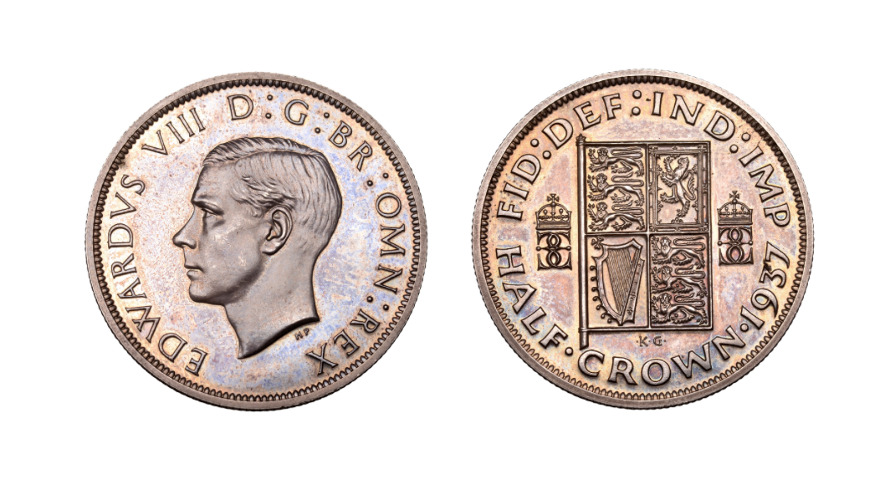
While the extremely rare Edward VIII (1936), Pattern Half Crown, 1937, by T.H. Paget & G. Kruger Gray, previewed in the last newsletter, triumphed at £200,000 in this auction, the catalogue was notable for a wide selection of further successes.
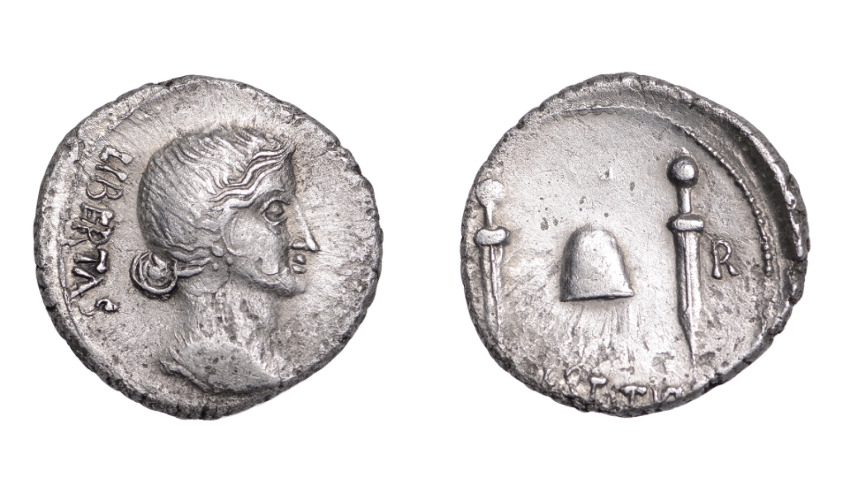
Among them was a Civil Wars (68-69 AD) Denarius struck under Galba in Tarraco (modern-day Tarragona in Catalonia) Spain.
Servius Sulpicius Galba reigned as Emperor for just seven months – the first to reign in the Year of Four Emperors, 69AD, assuming the throne after the suicide of Nero. Physically weak and showing little aptitude for rule, he was assassinated on the orders of Otho, who took his place and lasted just three months before committing suicide.
Understandably, coins from Galba’s short reign are rarer than most. The Denarius shows a draped bust of Libertas right to the obverse, with hair knotted above the neck, and libertas struck behind. The reverse is struck with a pileus between two vertical daggers, restitv[ta] below, [p] and r either side, a deliberate echo of the Denarius of Brutus, which commemorates his assassination of Julius Caesar – one of the rarest of all Roman coins. The pileus, a cap worn by slaves, represents freedom, while the two daggers refer to the weapons used to kill Caesar. With some light peripheral porosity and a softly struck countermark to Libertas’ cheek, it is otherwise in better than very fine condition and extremely rare. Estimated at £6,000-8,000, it sold for £12,000.
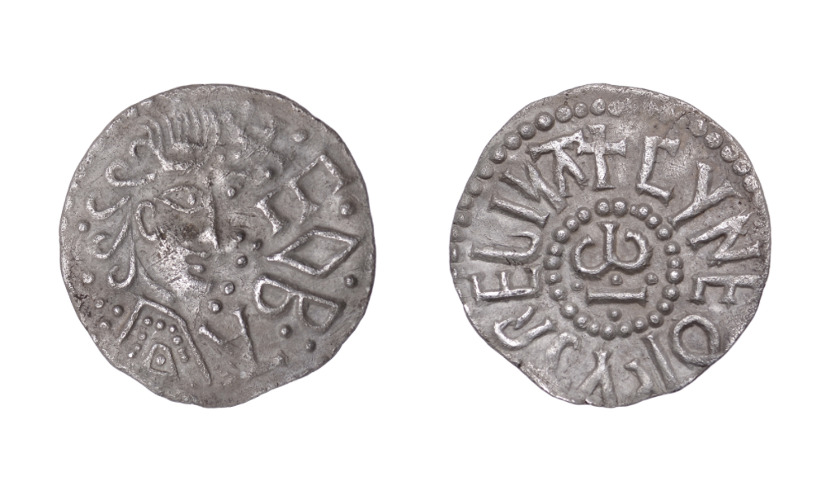
A Kings of Mercia silver Penny struck for Cynethryth (wife of Offa) also stood out. It was found near Condover, Shopshire, on 31 January this year. Dating to c.785, the early currency stage that established the Penny as the main denomination of British coinage, it was struck at Canterbury by Eoba. The obverse shows the bust right with long, flowing hair and pattered tunic, and cross floating in field, with EOBA before the face to the right. The reverse carries the legend cynejryj rejina, with a Mercian M to the centre and contraction bar above, with pellets in the field. Cleaned and with a gentle curve removed from the flan, it is otherwise in better than very fine condition and struck on a full round flan, with a bust of quite remarkable style. Extremely rare thus, it sold at the top end of its £8,000-12,000 guide.*
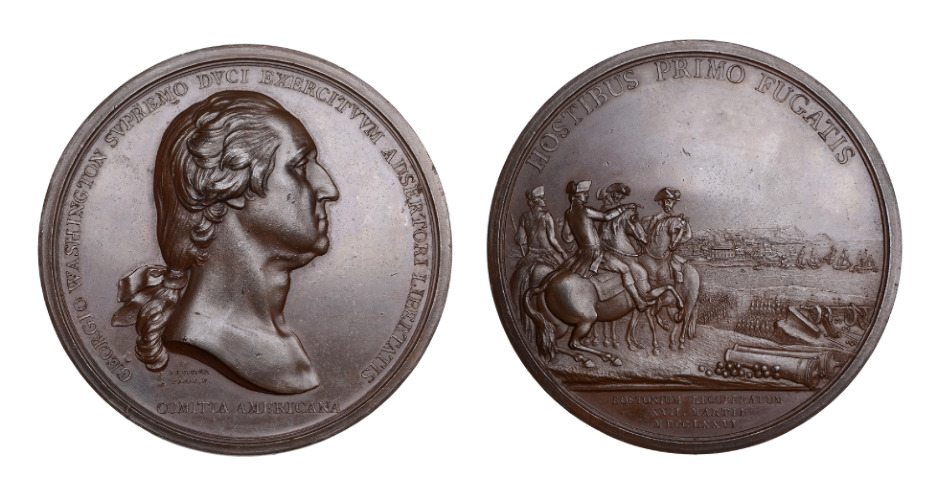
Pick of the medals proved to be P.S.B. Duvivier’s original Paris Mint striking [c.1790] of a copper medal marking the 1776 War of Independence. The obverse depicts Washington before Boston, a bare-headed bust right, with the reverse showing the legend hostibus primo fugatis [The enemy for the first time put to flight] above Washington and his staff on horseback, with Boston in the distance to the right. Bar a few light marks, this was an otherwise nearly extremely fine piece with chocolate brown patina. It made £10,000 against hopes of £3,000-4,000.
*Found in Torbay on 5 April 2026 (finds in Devon of such ancient coins being extremely rare) and appearing in Noonans’ 9 June Coins & Historical Medals auction as lot 53 is another Penny of Offa’s (757-796) Light coinage. Struck at Canterbury by Peohtweald c.785-792, it is inscribed o ff ·a·r ex in the angles of the long cross botonnée, with a lobe in each angle, the reverse carrying the moneyer’s name, pe ht va ld, in the angles of the Celtic cross with long cross fleury on limbs and a small saltire to the centre. The estimate is £1,500-£2,000.
Share This Page