Article
13 November 2025
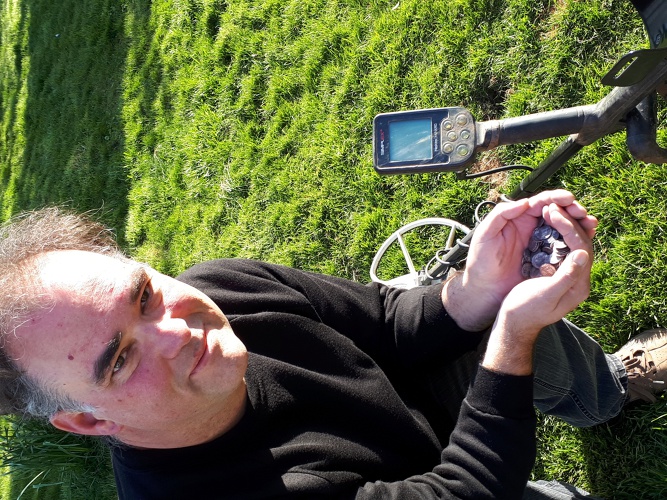
97 Roman silver denarii, dating from 141 BC to 46 AD that were discovered in a field in the leafy Dorset village of Chilfrome by 49-year-old metal detecting enthusiast Trenton Oliver, a computer engineer from Dorchester on Ash Wednesday (March 21, 2021) fetched a hammer price of £16,625 – two and a half times its pre-sale estimate- at Noonans Mayfair (16 Bolton Street) in an auction of of Coins and Historical Medals on Wednesday, November 12, 2025 The hoard, which was 100% sold, was sold in 57 lots and attracted global interest with bidders from the UK, USA: Europe and New Zealand.
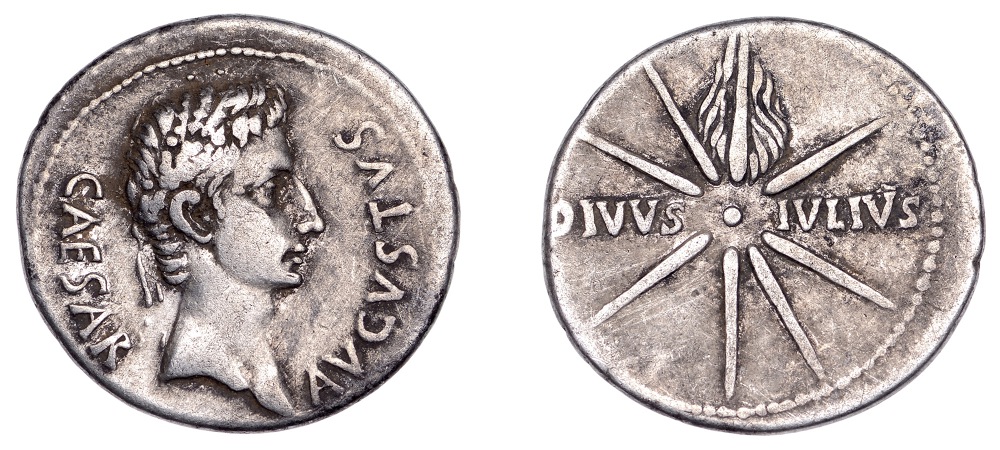
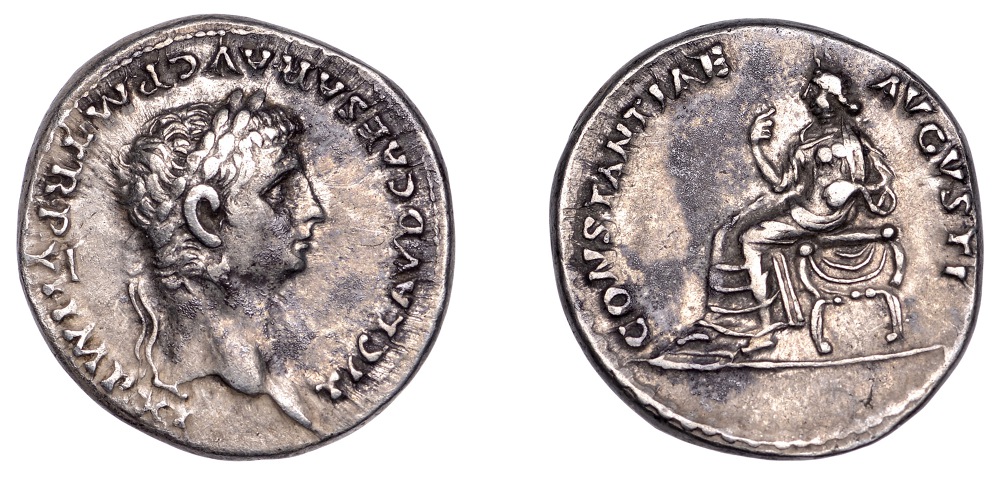
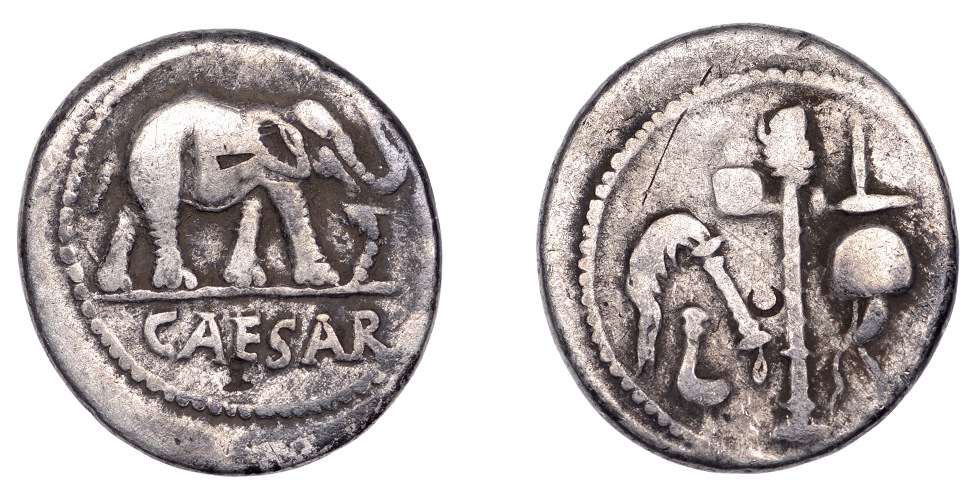
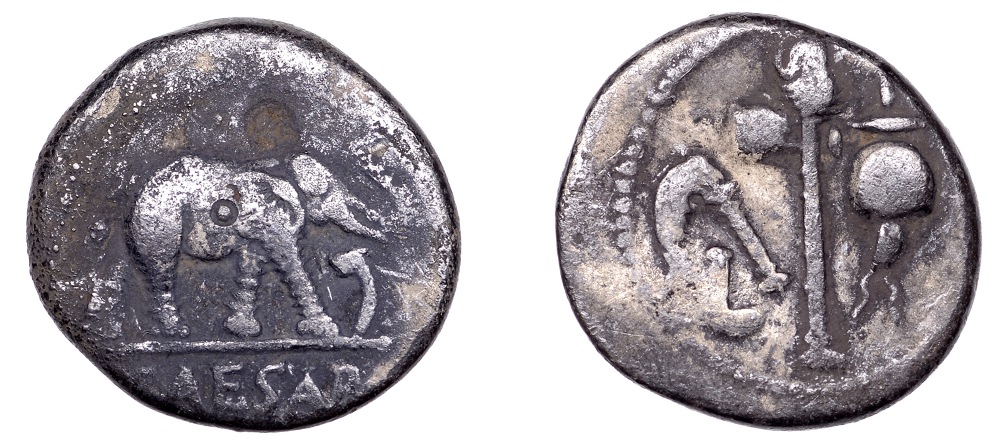
The highest prices paid was for a historically significant denarius from the reign of Emperor Claudius (AD 41-54) which realized a hammer price of £3,200 – four times its high estimate [lot 316]. Elsewhere Trenton’s favourite coins sold well with a rare denarius from the reign of Augustus (27 BC-AD 14) decorated with a bust on one side and an eight-rayed comet realized a hammer price of £800 – four times the pre-sale estimate [lot 286]; and from the reign of Julius Cæsar, a denarius decorated with an elephant fetched a hammer price of £750 - 5 times the pre-sale estimate [lot 281].
Trenton, who has been metal detecting since the age of 11 and watched the sale from home. He said afterwards: “Wow, it was amazing, I was hoping it might reach £12,000 but it has gone far higher and to think that the coins that I dug up over four years ago are now going to be in collections all over the world!”
He continued: “I will share the proceeds with the landowner and am putting my portion towards a deposit for a new house.”
As Bradley Hopper, Head of Coin department at Noonans added: “This was an extremely exciting hoard that represents the beginning of the Roman Occupation in Britain and is a testament to a key event in British history in 43AD and the conquest of the British Tribes. The hoard was deposited right at the heart of this activity around 47AD, lying almost equidistant between the important hill forts and not only is it of importance to the history of Dorset, it is important nationally as it is the only known purely Roman hoard from the Roman invasion of South West England. Why the coins were buried is not known, but one suggestion is that the coins were the lost wages or pay-packet of a Roman soldier, but who knows!”
Share This Page