Article
2 October 2025
TWO-DAY BONANZA IS NOONANS’ LARGEST EVER SALE OF THIS TYPE
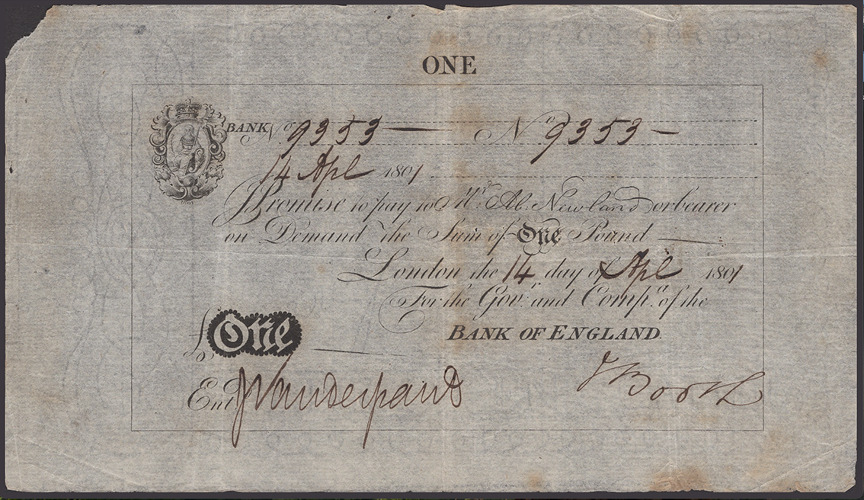
This is the largest ever Noonans auction of British and Irish banknotes, stretching across two days and offering highlights that range from the very earliest Bank of England note – a spectacular Newland £1 – to a wonderful range of Scottish polymer notes with low serial numbers, with everything in between.
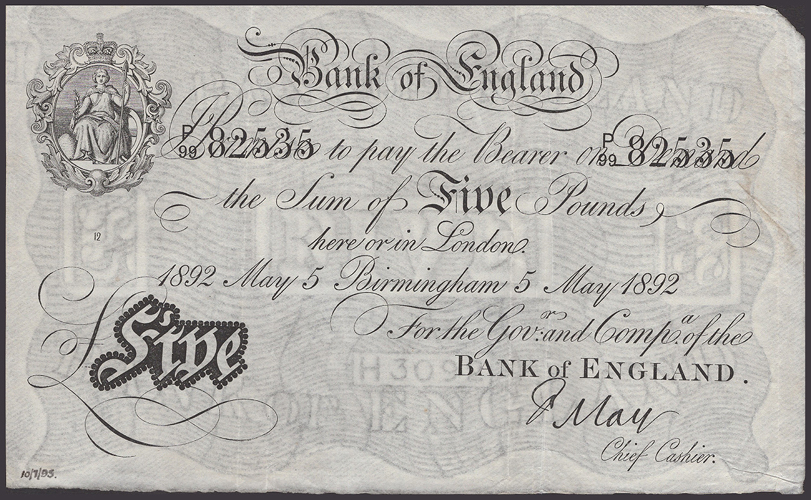
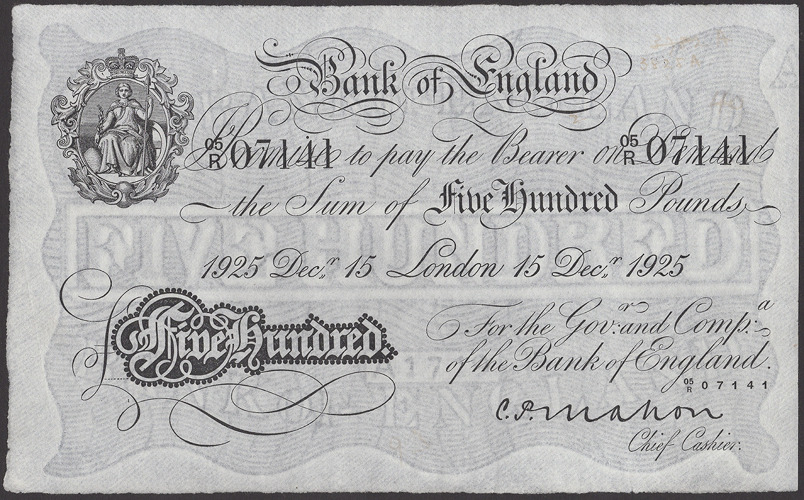
Leading the way are two show-stopping white notes in the form of a May £5 issued in Birmingham, and a Mahon £500, each estimated at £20,000-26,000. The May note is dated 5 May 1892 and displays astonishing paper quality. In good very fine condition, it is almost certainly unique in private hands. The Mahon note, meanwhile, issued from London and dated 15 December 1925, is an astonishingly rare high denomination, with only four examples known to exist.
Bank of England rarities also include an uncirculated Parchment Pair (10 Shillings and £1) signed by Mahon and dated 22 November 1928, each with the serial number A01 000034. They come complete with original the plastic slip-cases and vellum envelope. The estimate is £5,000-7,000.
A colossal section of Provincial Banknotes begins with a handsome Kettering £20 of 1889 and a
very rare unissued Woolwich £10.
“Ireland provides some excellent quality early notes on this occasion, with two recently-discovered
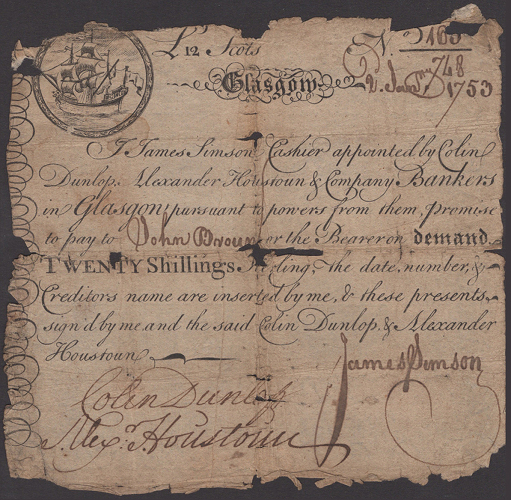
private issues from Charleville followed quickly by an incredible Bank of Ireland £1 of 1842,” says Noonans’ Head of banknotes, Andrew Pattison. “Scotland once again shows us the full range of engravers’ artistry in a remarkable selection of notes from every conceivable bank. The section includes the second of many parts of the Boyd Family Collection, denoted by a thistle motif next to the lot number. From this collection, and indeed the star of the show, is a National Bank £1 of 1886 in incredible condition.”
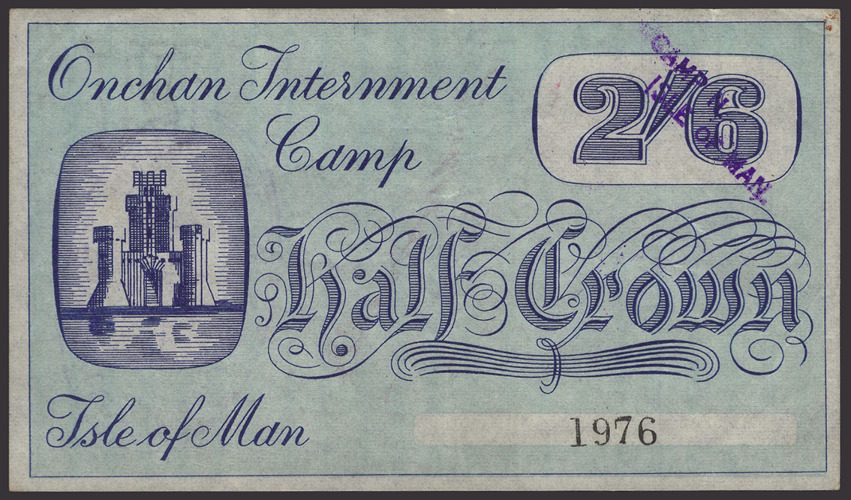
The Channel Islands also loom large, along with the Isle of Man, which includes some incredibly rare internment camp notes, several not seen on the market since the Warburton Collection in 2010. The pick of these is the Half Crown note from the Onchan Internment Camp, home to around 1,300 German and Austrian internees for a year from June 1940, before closing temporarily and reopening to house Italian internees from September 1941 to November 1944. The estimate is £500-700.
Share This Page